Introduction
As a nonprofit organization, having an impactful and user-friendly website is crucial for engaging supporters, attracting donors, and furthering your mission. Your main goal is to create a compelling online presence that drives meaningful impact for your organization. So, let’s consider some essential elements!
Importance of nonprofit web design
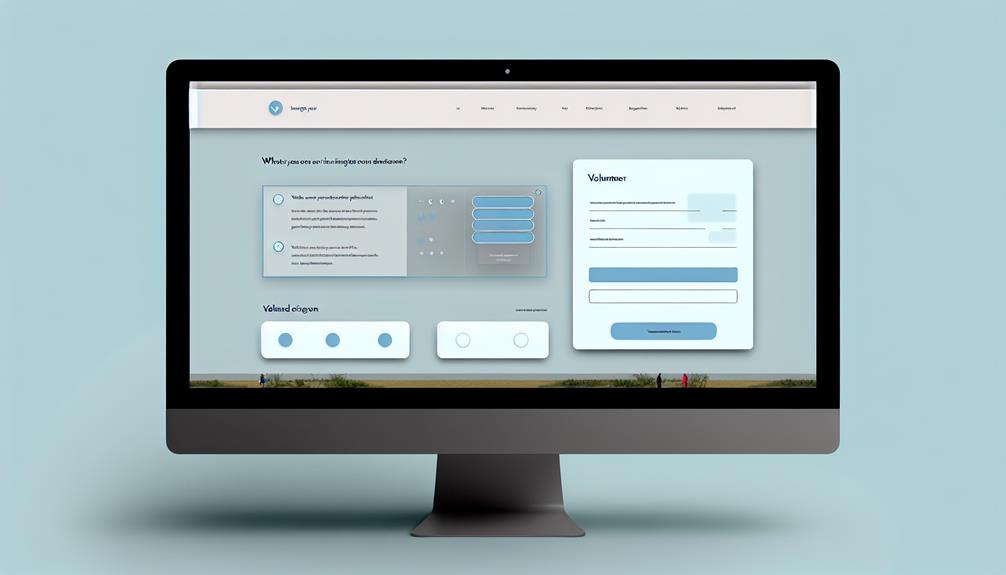
Your website plays a crucial role in the success of your nonprofit organization. A well-designed website helps you effectively communicate your mission, engage supporters, and attract donors. It creates a positive user experience, allowing visitors to easily navigate and find information about your cause. Investing in a well-crafted website can make a lasting impact and further your nonprofit’s goals.
Overview of essential elements for success
To ensure the success of your nonprofit web design, it is essential to focus on some crucial elements. These include straightforward and user-friendly navigation, mobile responsiveness, compelling visuals, engaging content, strategically placed call-to-action buttons, optimized donation forms, social media integration, accessibility features, analytics, and tracking. These elements in your website enable you to effectively communicate your mission, engage supporters, and attract donors.
Clear and User-Friendly Navigation
Having straightforward and user-friendly navigation on your nonprofit website is crucial to providing a seamless user experience. Maintain a consistent menu structure throughout your site and use intuitive labels for easy understanding. This will help visitors easily navigate through different pages and find the information they seek without confusion.
Intuitive navigation labels
When designing your nonprofit website, it is crucial to use intuitive navigation labels that are clear and easy for users to understand. Instead of using generic terms like “Services” or “Programs,” opt for descriptive labels that directly reflect the content or purpose of each page. Let each page on your website have an intuitive title that immediately conveys what the page is about to the visitor.
Every page should tell a story, from the choice of the page title to the contents. This way, bounce rates are reduced, and your website remains “sticky,” holding the visitor’s interest long enough for them to identify with your cause and follow through with some action.

Mobile Responsiveness
Mobile Responsiveness is a crucial element for nonprofit web design success. In 2021, 28% of online donations came from mobile devices. In today’s world of expected quick and seamless browsing experiences from smartphones and tablets, your website’s layout must be mobile-friendly, with easily accessible content across all devices and screen sizes. A seamless user experience goes a long way to increasing engagement and potential support for your cause.
Responsive layout and functionalities
Incorporating touch-friendly buttons, clear typography, and adaptive images ensures optimal usability for all visitors.
An essential feature is the search functionality that allows users to find specific content. Incorporate a search bar on your website to help users quickly locate the information they seek. This can vastly improve the user experience and save visitors time.
Another necessary functionality is an email sign-up form prominently displayed on the website. This allows you to capture leads for email marketing and reach out to potential donors, volunteers, or supporters. Building an email list can significantly impact your nonprofit’s success.
Compelling Visuals
Compelling visuals can capture attention, elicit emotions, and convey your organization’s story. You can create a visually striking website that effectively communicates your mission and encourages engagement by using high-quality images and videos that resonate with your target audience. Every good picture is worth a thousand stories.
Put much thought into selecting great visuals from your events and other brand assets to display in attractive layouts on your website. Use your visuals to create a visually striking website that engages visitors and compellingly conveys the importance of your mission. Also, do not forget to ensure these visuals are well-optimized in size so they load quickly on the website.
Engaging, persuasive, and informative content
Engaging content is a crucial element for the success of your nonprofit website. Your content should be persuasive and informative, capturing visitors’ attention and compelling them to act. Incorporate storytelling techniques and emotional appeal to connect with your audience more deeply. Use videos and other content media to create a meaningful connection with your visitors and inspire them to support your cause.
Use compelling language and facts to make a convincing case for supporting your cause. Provide valuable information that educates and informs visitors about your organization’s mission, impact, and goals. Use your content to create a strong connection with your audience and motivate them to get involved with your nonprofit.
Creating storytelling and emotional appeals
Create great storytelling and emotional appeals on your nonprofit website to connect with your audience on a deeper level. You can inspire empathy and drive action by sharing powerful stories and evoking emotions. Personal anecdotes, testimonials, and impactful visuals can all help create a compelling narrative that resonates with your visitors. Use storytelling techniques to convey the impact of your organization’s work and the lives it changes. This will make your cause more relatable and motivate others to get involved and support your mission.
Adding a blog to your website is a good resource for keeping your donors and supporters informed and up-to-date on your mission, causes, and ongoing or future events. Create a good mix of informational, educational, and fundraising content.
Call-to-Action (CTA) Placement
Strategic placement of call-to-action (CTA) buttons is crucial. Guide your visitors towards taking action by placing CTAs on your website in prominent locations such as the homepage, donation pages, and blog posts. To maximize the effectiveness of your call-to-action (CTA) buttons, make sure they are visually distinct and easy to find to encourage user engagement.
Use clear and compelling language to encourage users to donate, volunteer, or take any desired action. Don’t underestimate the power of a strategically placed CTA in driving engagement and achieving your goals.
Effective CTA language and design
Simplicity is vital when it comes to your call-to-action (CTA) buttons. Let your visitors know clearly what you want them to do. Pair your CTA with eye-catching design elements like contrasting colours or bold text to make it stand out on the page. Remember, the goal is to make it easy for users to understand and respond to your CTA quickly and effectively.
Donations and Fundraising
Donations and successful fundraising play a crucial role. Make sure your website is optimized with user-friendly donation forms that are easy to navigate. Integration with secure payment gateways will ensure a smooth and fast donation process for your supporters. Make it extremely easy for your donors to donate; if possible, make it a one-click process.
To make the process as inclusive as possible, you may need 2 or 3 ways for people to donate. Other ways to donate include texting to donate, matching donations, and scanning QR codes.
Ensure cross-platform compatibility. Your site should function well on iOS and Android devices and different browsers. By doing so, you’re inviting everyone to join your cause, fostering a sense of belonging. Adding the option of using digital wallets such as Apple Pay and Google Pay would make it easier for a wider audience.
Optimization of donation forms
Optimizing your donation forms is essential to maximizing your fundraising efforts. Streamline the process by keeping the form simple and user-friendly and minimizing the required fields. Display suggested donation amounts and provide options for recurring donations. Incorporate secure payment gateway options, such as PayPal or Stripe, to protect sensitive financial information and ensure a smooth donation experience.
You’ll need data encryption for secure transactions to ensure your donors’ privacy. Establish clear privacy policies, respect donor anonymity, and consider safe information storage. It’s about building trust while protecting their valuable information.
Keep your branding constant on all your website pages, especially your donation landing pages, to instill trust throughout the donation process. This will encourage more people to donate and contribute to your cause.
Social Media Integration
Integrate your website with your social media platforms. Use social media widgets and share buttons to encourage visitors to engage with your organization on platforms like Facebook, Twitter, and Instagram. This allows you to expand your online presence and connect with a broader audience.
A great social media campaign can massively increase your reach and number of supporters. Social media videos like YouTube shorts, Instagram reels, and TikToks are the rave. Create a social media calendar using your videos to reach a broad audience.
Incorporating social media sharing buttons encourages users to share your content, spreading awareness about your cause. Additionally, including share buttons allows users to effortlessly share your website content across their social networks, expanding your reach and increasing the potential for viral sharing.
Accessibility and Inclusivity
Creating an accessible and inclusive website is essential for nonprofit organizations. Ensure your website caters to users with disabilities, such as visual or hearing impairments; this ensures everyone can access and navigate your site. Incorporating accessibility features, such as alt text for images and video captioning, allows individuals with disabilities to engage with your content thoroughly. Be aware of contrasting colours and font sizes for those with visual impairments. This demonstrates your commitment to inclusivity and helps you reach a wider audience. By considering the needs of users with disabilities, you create a welcoming and user-friendly experience for everyone.
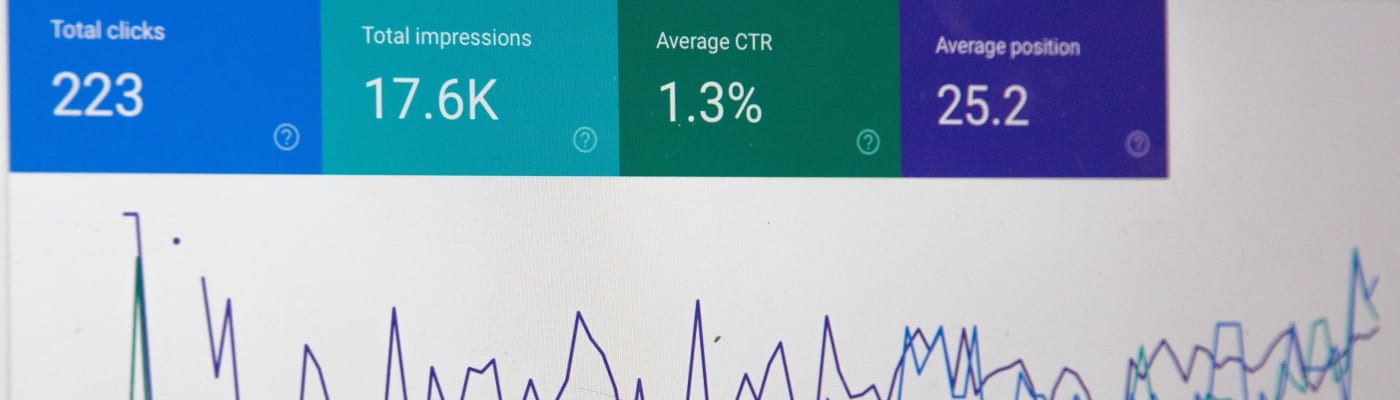
Analytics and Tracking
Monitoring your nonprofit website’s performance is crucial to its success. Implementing analytics tools and tracking metrics lets you gather valuable insights into user behaviour, traffic sources, and conversion rates. By analyzing this data, you can make informed decisions to optimize your website and drive better results for your organization’s goals.
Importance of monitoring website performance
You analyze metrics such as user behaviour, traffic sources, and conversion rates to gain valuable insights that can help you optimize your website and achieve better results. This process also allows you to identify areas for improvement, make informed decisions, and continuously enhance the user experience.
You can gather valuable data on user behaviour, traffic sources, conversion rates, and more using tools like Google Analytics and Google Search Console. This information lets you make data-driven decisions and continuously optimize your website for better results.
Keep tweaking your website’s performance to drive better outcomes for your organization’s goals.
In conclusion, incorporating these essential elements into your nonprofit web design can significantly enhance your website’s effectiveness. By prioritizing clear navigation, mobile responsiveness, compelling visuals, engaging content, strategic CTAs, donation optimization, social media integration, accessibility features, and analytics tracking, you’ll be on the path to success. Don’t forget to continuously evaluate and optimize your website to ensure it meets your supporters’ evolving needs and mission.
Recap of essential elements discussed
Throughout this article, we have discussed ten essential elements for nonprofit web design success. These include straightforward and user-friendly navigation, mobile responsiveness, compelling visuals, engaging content, strategic call-to-action placement, donation optimization, social media integration, accessibility features, and analytics tracking. Incorporating these elements into your website can enhance its effectiveness and achieve your mission more effectively.
Final thoughts on achieving nonprofit web design success
In conclusion, incorporating these essential elements into your nonprofit web design can significantly enhance your website’s effectiveness. By prioritizing straightforward navigation, mobile responsiveness, compelling visuals, engaging content, strategic CTAs, donation optimization, social media integration, accessibility features, and analytics tracking, you’ll be on the path to success. Don’t forget to continuously evaluate and optimize your website to ensure it meets your supporters’ evolving needs and mission.
We at Strategic Site Solutions are here to help your nonprofit brand get online with a well-designed website. Are you and your nonprofit ready to go online? Get in touch with us!